Storage Highlights Countdown #10; Proton Motor hydrogen electrolyzer for full self-sufficiency
The Energy Storage Europe conference and trade show is nearing and pv magazine is featuring the top ten developments in the field as our Energy Storage Highlights, selected by an independent jury of experts. We kick off with Proton Motor’s contribution to a Swiss project that enables apartment tenants to live without a gas or electricity grid connection.
FEBRUARY 14, 2019
MARIAN WILLU
A 79 kW rooftop PV system powers the house, alongside a 46 kW thin film set-up on its facades, totaling 126 kW – 90,000-105,000 kWh per year – for the nine families living in the building.
Image: Umweltarena/Proton Motor
With
Energy Storage Europe in Düsseldorf less than four weeks away, pv magazine tasked a jury of experts with assessing energy storage products, innovations and use cases that are key drivers for the industry.
During the weeks before the show opens, on March 12, we will showcase the top ten products and innovations selected by our jury – starting today with number ten. The full ranking will be published in the pv magazine energy + storage special issue 2019. The publication has been created with the Messe Düsseldorf conference venue. A public award ceremony for the Energy Storage Technology Highlights will be held at Energy Storage EuropeDüsseldorf on March 13, and we are looking forward to seeing you there from 10 am at the ESE Forum, in Hall 8b.
#10 Proton Motor
Fuel cell provides real year-round self-sufficiency
Proton Motor delivered its hydrogen fuel cell to the world’s first entirely self-sufficient multi-family home, in Brütten, Switzerland in summer 2016. The electrolyzer uses 14.5 kW to produce 2 Nm³/h of hydrogen. In total, the system can hold 120,000 l of hydrogen.
Proton Motor’s fuel cell produces 6.2 kW of electrical and 5.5 kW of thermal power. Electricity is transferred to the battery systems using the fuel cell’s integrated power electronics. The heat is dissipated to heat pumps for space and water heating.
Project leader Umwelt Arena Schweiz says using excess heat from electricity production enables efficiencies of more than 90% in winter months. During summer, when heating is reduced or not needed, efficiency is 18-19%.
A 79 kW rooftop PV system powers the house, alongside a 46 kW thin film PV system mounted on its facades, totaling 126 kW – 90,000-105,000 kWh per year, for the nine families living there.
The building’s energy consumption was 2,200 kWh per housing unit per year, about half the Swiss average. The company says its system survived its first winter even though it was the coldest in the region for 30 years, and featured the fewest hours of sunshine for 20 years.
The building features an array of energy storage technologies including battery storage, a hydrogen electrolyzer and a hydrogen tank, as well as a long-term thermal storage tank. The combination of long and short-term storage systems enables permanent energy supply, without the need for an electrical grid or gas supply.
The project was supported with public funding and, according to the project leader, demonstrates the technical feasibility of a solution that becomes increasingly viable at larger scales. When increasing the production numbers, the cost for the electrolyzer would fall 75%. The cost target was hydrogen production for €2-3/kg.
Each tenant receives an energy budget in their rent. When that is exceeded they incur a fee – staying below budget brings a financial reward. According to project leader Umwelt Arena Schweiz, the rent for the building is at the higher end of the scale for the region.
Jury comments
Rolf Heynen: “These sort of pilots go far beyond 60% or 70% autarky [energy independence], and therefore they contribute more to the learning curve on the system side.”
Xavier Daval: “The usage of multiple storage and renewable technologies is interesting.”
Proton Motor can be found at booth 8BG28 at the show.
https://www.pv-magazine.com/2019/02...iency/?utm_source=dlvr.it&utm_medium=facebook


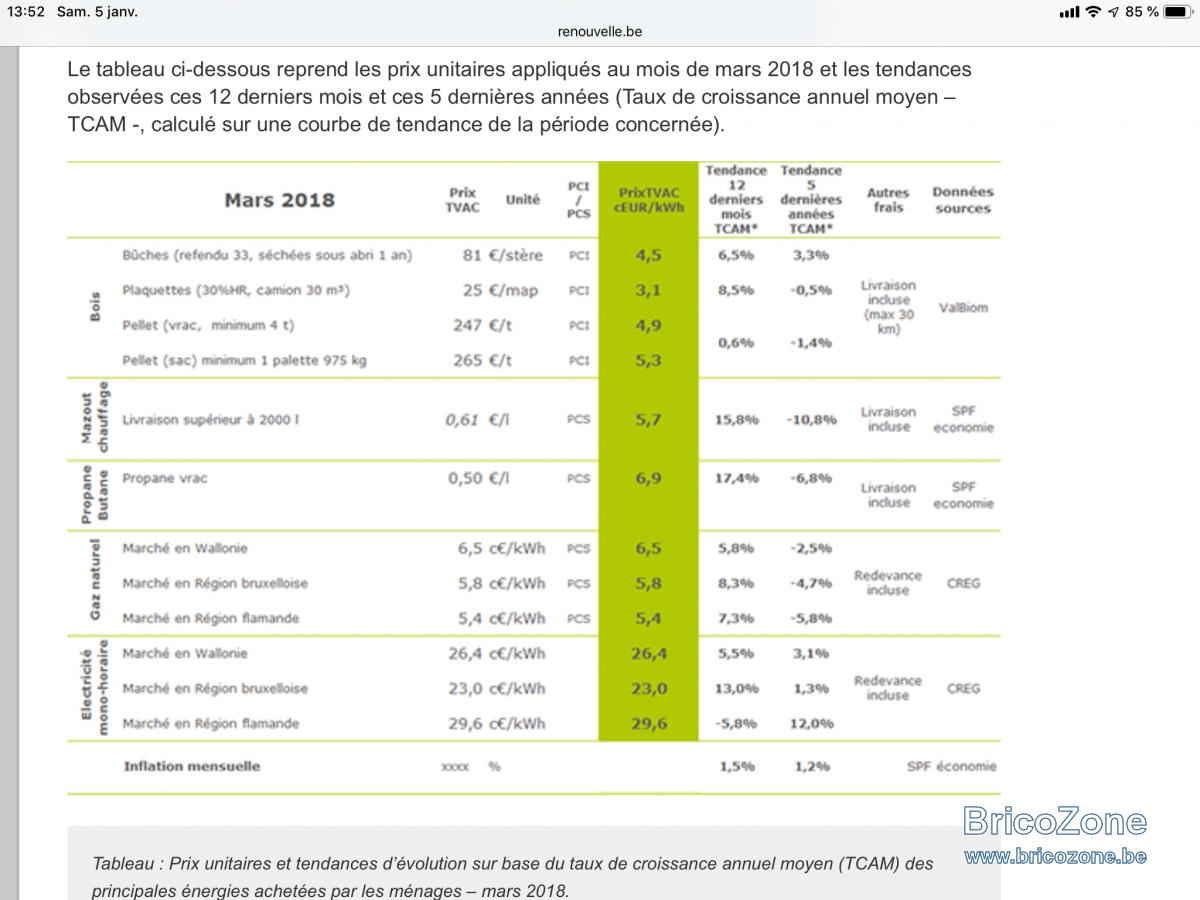

 et qui d’ici 10 ans pourrais même ce monter à bien plus ou même avant en cas d’accident nucléaire...


